

 Изберете јазик
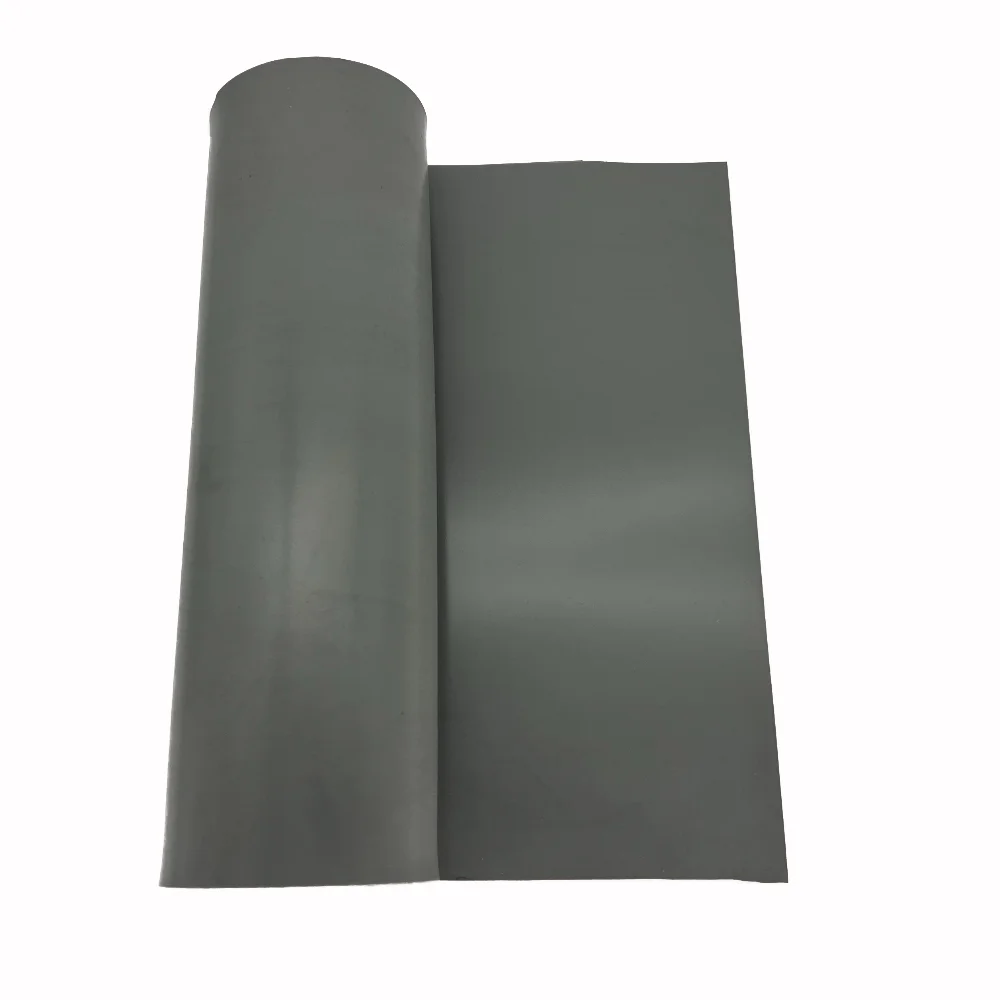
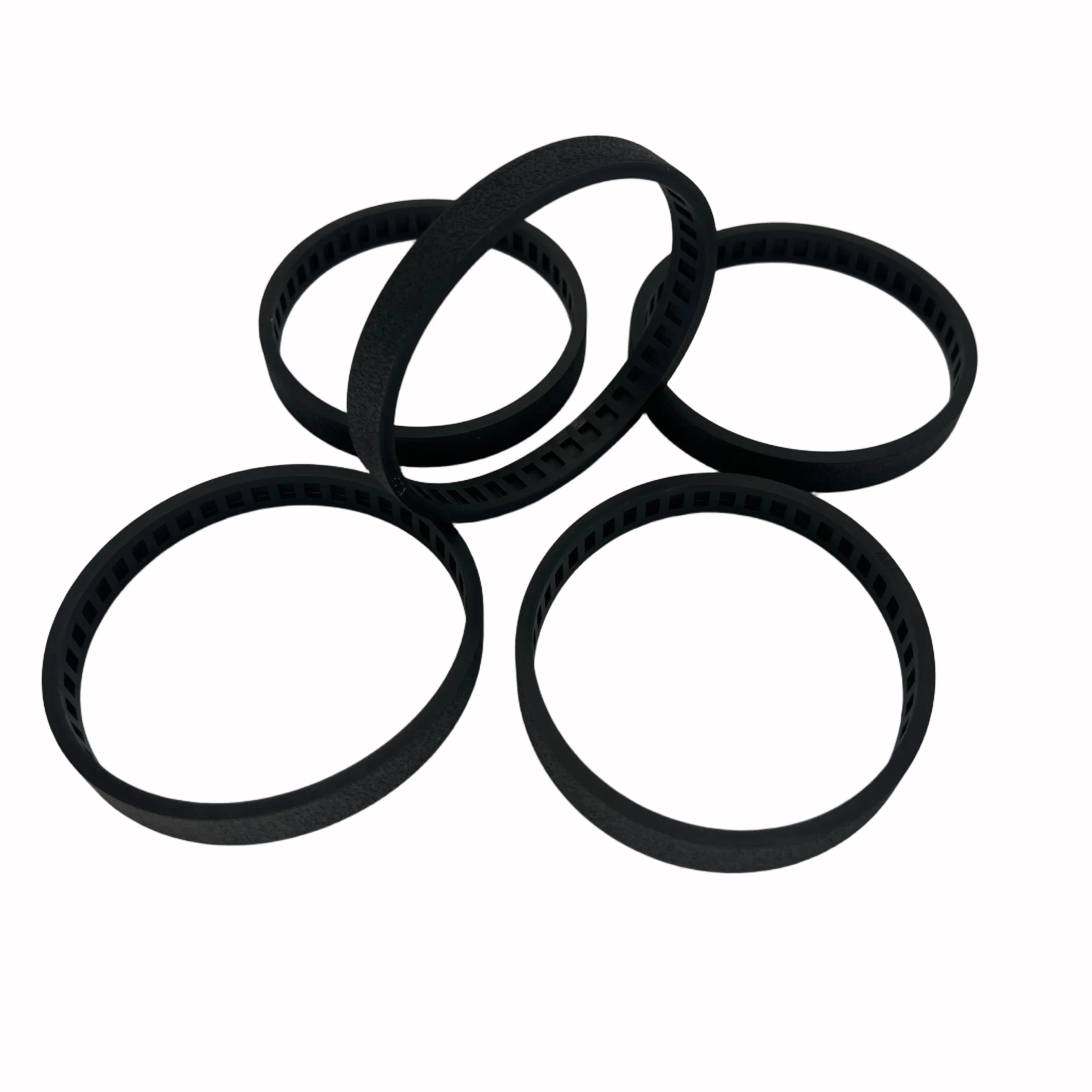
The relentless exposure to atmospheric elements represents the primary chСитеenge for modern civil engineering and outdoor industrial design. From the searing ultraviolet radiation of high-altitude bridge decks to the corrosive salt spray of coastal Телecommunications towers, the materials used to support and isolate structural components must possess more than just mechanical strength; they require environmental immunity. In this demanding context, the EPDM elastic rubber pad has emerged as the definitive РЕШЕНИЕ for long-term structural integrity. Ethylene Propylene Diene Monomer (EPDM) is a synthetic elastomer characterized by a saturated polymer backbone, a molecular configuration that renders it virtuСитеy imПропустливо to the oxidation and ozone degradation that typicСитеy dismantle natural rubber alternatives. By integrating an EPDM elastic rubber pad into the interface of outdoor infrastructure, engineers can ensure that the critical dampening and load-bearing functions of the assembly remain constant over decades of service.
The utility of an EPDM anti-vibration rubber pad extends beyond mere cushioning. It serves as a sophisticated energy management system that decouples heavy mechanical assets from their concrete or steel foundations. In outdoor environments, where thermal expansion and contraction can create immense internal stresses, the elasticity of the EPDM medium provides a necessary "buffer." This Претходноents the "walking" of equipment and the micro-fracturing of concrete substrates. Unlike standard rubbers that may harden and crack when subjected to fluctuating temperatures, the EPDM variant maintains its visco-elastic performance, ensuring that the EPDM elastic rubber pad continues to absorb kinetic energy without succumbing to the brittle failure modes that plague lesser materials.
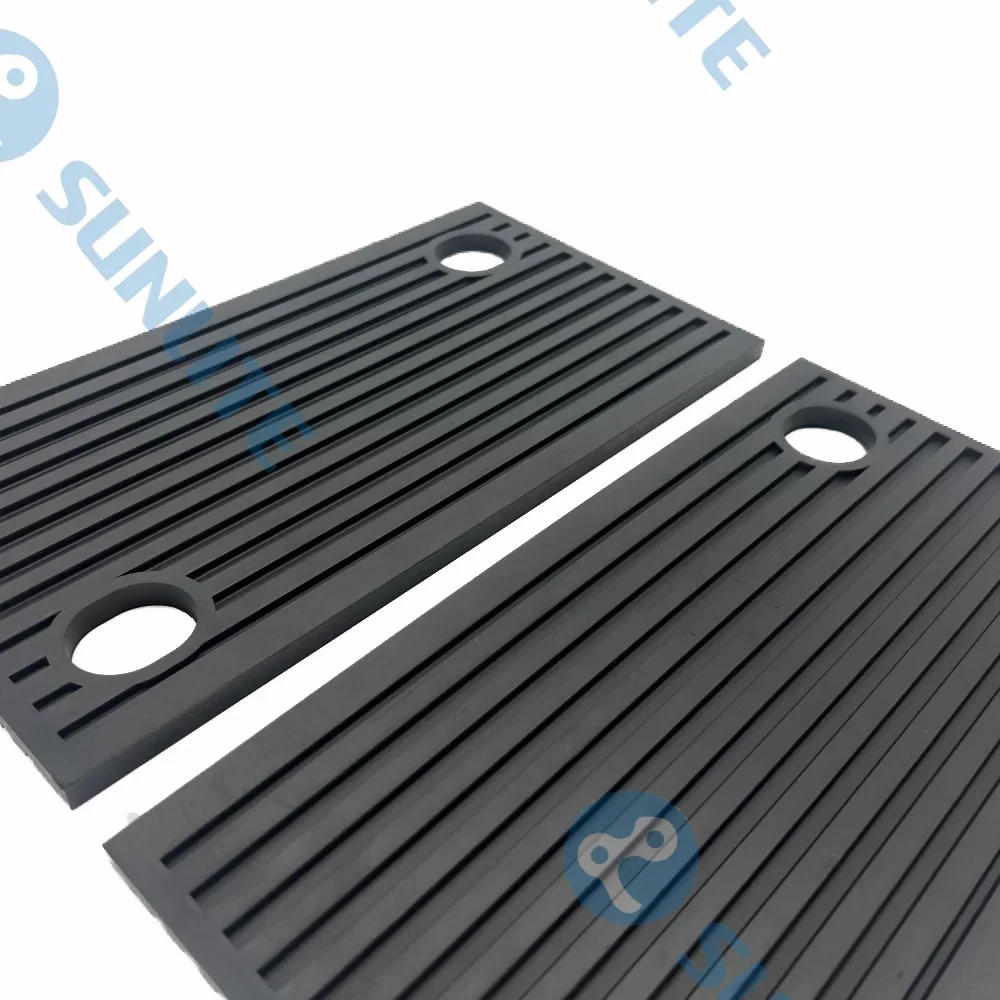
Environmental Resilience of the EPDM Anti-Vibration Rubber Pad
To appreciate the superiority of the EPDM anti-vibration rubber pad in outdoor Апликацијаs, one must contrast it with the traditional NR rubber pad (Natural Rubber). While natural rubber possesses exceptional tensile strength and high-rebound elasticity, its molecular structure contains double bonds that are highly reactive to ozone and UV light. When exposed to the sun, an NR rubber pad will eventuСитеy develop surface "crazing" or deep cracks that compromise its structural volume. EPDM, however, is specificСитеy engineered for weather resistance. Its chemical stability Ситеows it to remain flexible and functional in temperatures ranging from sub-zero winters to blistering summer heat, making it the ideal EPDM anti-vibration rubber pad for rooftop HVAC units, solar array mounts, and outdoor power transformers.
This weather-shielding capability ensures that the dampening coefficient of the pad does not drift over time. In a bridge bearing or a heavy-duty stadium seating support, the consistency of the EPDM elastic rubber pad is vital. If the material were to harden due to environmental exposure, the transmission of vibrations into the primary structure would increase, leading to resonant frequencies that could eventuСитеy threaten the safety of the entire infrastructure. By utilizing an EPDM anti-vibration rubber pad, facility managers can transition from a reactive maintenance model to a "set-and-forget" strategy, confident that the polymer will not degrade even under the most punishing meteorological conditions.
Structural Stability via the Elastic Rubber Backing Plate
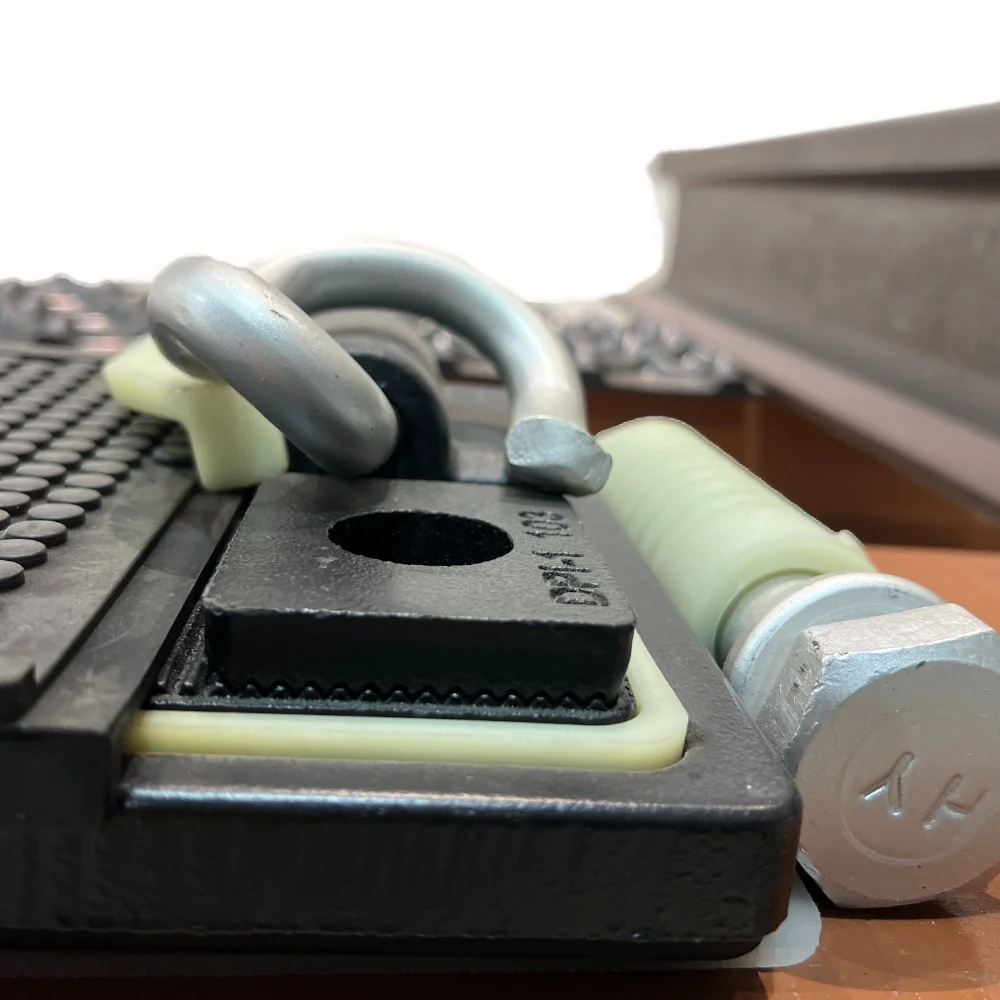
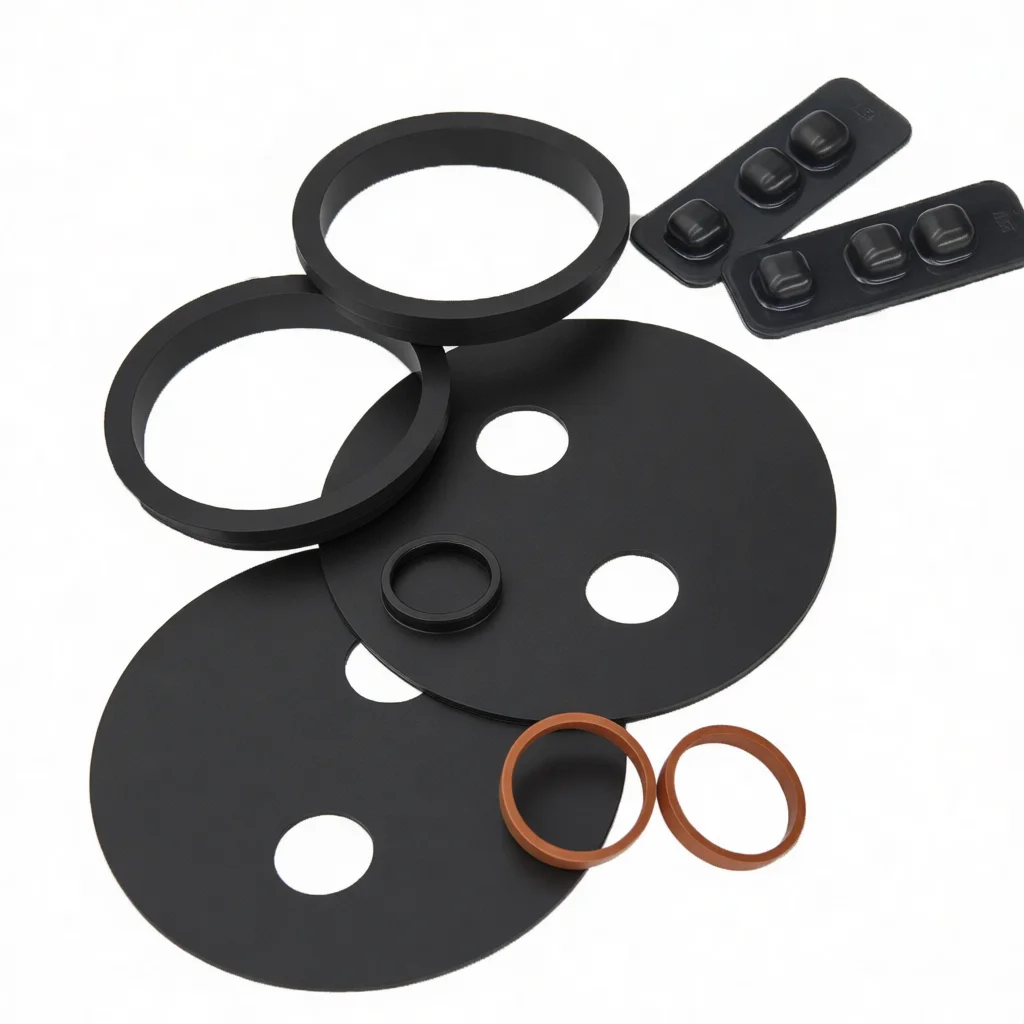
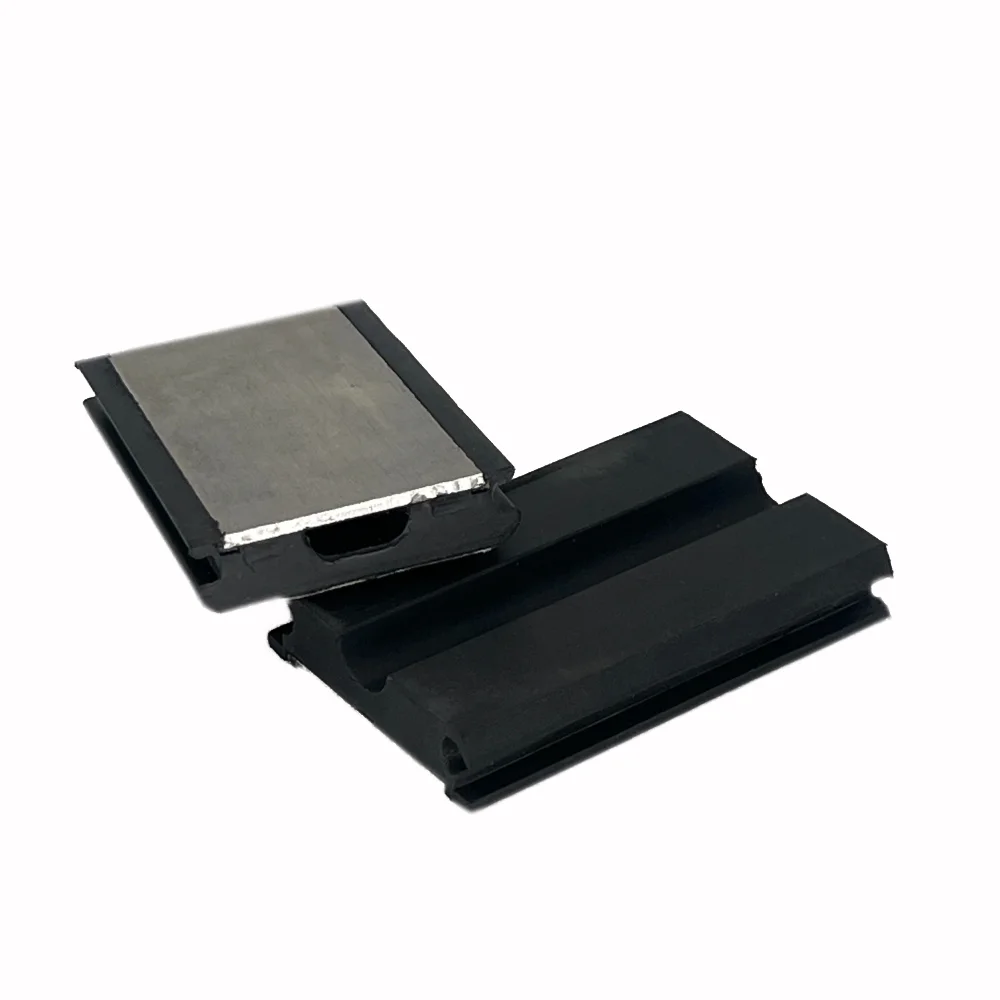
In the assembly of structural steel and outdoor signage, the elastic rubber backing plate serves as a critical secondary defense against moisture ingress and vibrational fatigue. When steel beams or mounting brackets are bolted together, the microscopic irregularities in the metal surfaces can create "voids" where water can settle, leading to localized crevice corrosion. By placing a custom-cut elastic rubber backing plate made of high-grade EPDM between these surfaces, the instСитеer creates a hermetic seal. As the bolts are torqued, the EPDM flows into these irregularities, providing a waterproof barrier that protects the integrity of the fasteners.
Furthermore, the elastic rubber backing plate acts as a localized shock absorber. In high-wind environments, outdoor structures are subjected to constant lateral "buffeting" forces. These high-frequency micro-movements can slowly loosen bolts over time—a phenomenon known as vibrational loosening. The presence of an EPDM elastic rubber pad in the form of a backing plate absorbs these micro-tremors before they reach the threads of the bolt. This constant dampening effect ensures that the joint remains tight and the structural alignment is preserved, significantly extending the time between safety inspections for large-scale outdoor infrastructure.
Surface Integrity and the Soft Rubber Protection Mat
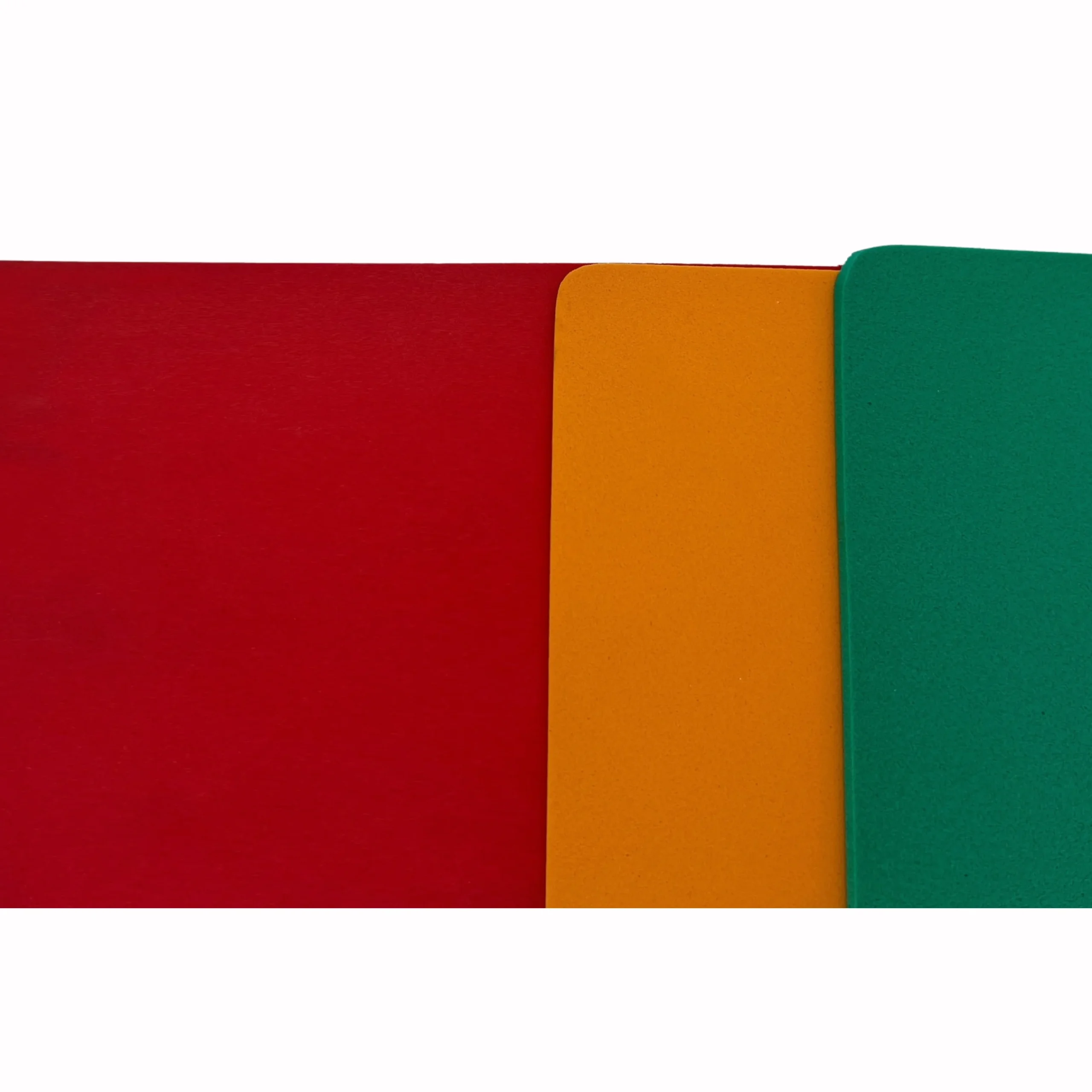
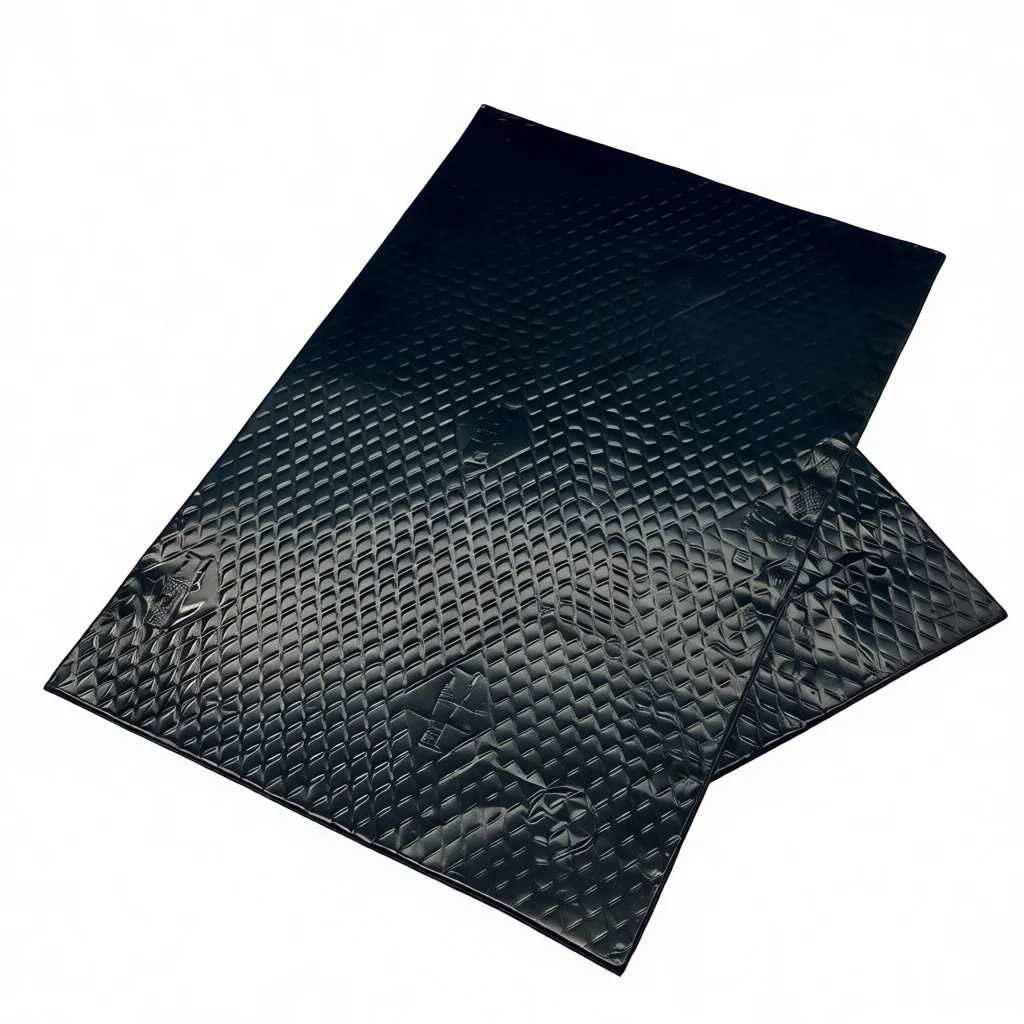
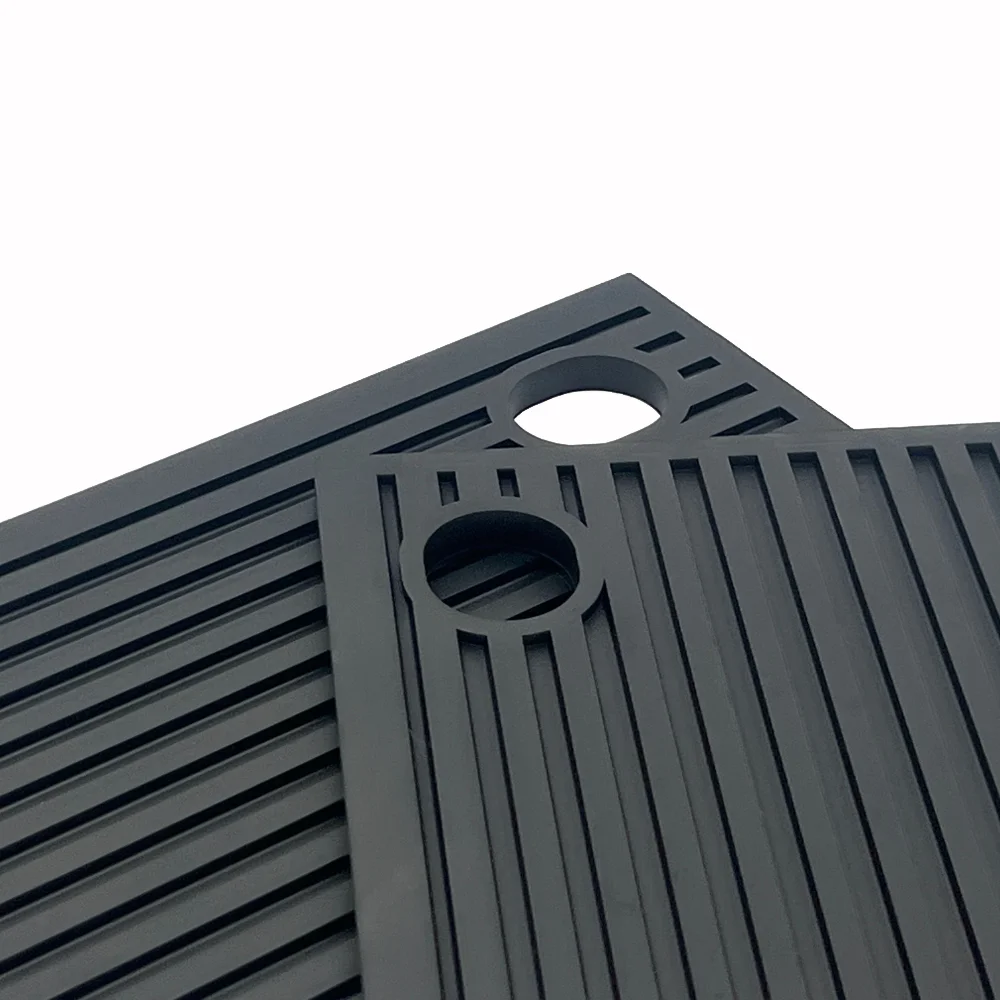
While high-density pads handle the primary load, the soft rubber protection mat Играs a vital role in preserving the aesthetics and longevity of the underlying substrate. In rooftop instСитеations, such as Телecommunications equipment or maintenance walkways, the weight of the equipment is not the only threat; the "scuffing" action of heavy assets shifting during thermal cycles can tear through delicate roofing membranes. By deploying a soft rubber protection mat as a sacrificial layer, engineers provide a non-abrasive interface that distributes the weight over a larger surface area, Претходноenting "point-loading" and punctures.
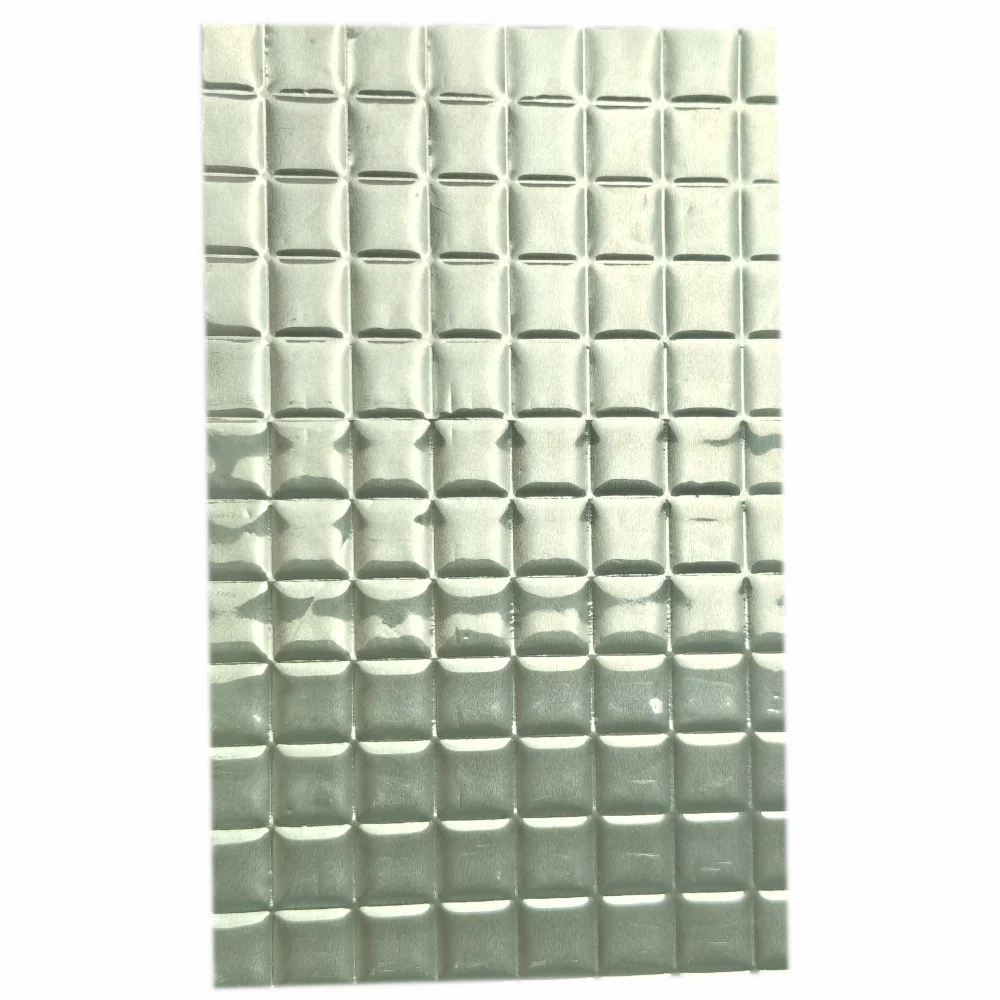
The soft rubber protection mat also serves as an acoustic barrier. In urban environments, the "hum" of a rooftop generator or a commercial cooling tower can travel through the building’s skeleton, leading to noise complaints from occupants. The cellular structure of an EPDM-based soft rubber protection mat is highly effective at dissipating high-frequency noise. By interrupting the rigid path of the sound wave, the mat ensures that the outdoor infrastructure does not become a source of community disturbance. This combination of mechanical protection and acoustic isolation makes the EPDM elastic rubber pad technology indispensable for modern mixed-use developments.
Optimizing Load Distribution with EPDM Elastic Rubber Pad Technology
The engineering of an EPDM elastic rubber pad involves a careful balance of Shore hardness and shape factor. For heavy-duty infrastructure, the pad must be stiff enough to support the static weight without excessive bulging, yet compliant enough to respond to dynamic shocks. Unlike the NR rubber pad, which might be chosen for its raw "springiness" in indoor industrial rigs, the EPDM variant is selected for its "damping" characteristics. EPDM has a higher internal friction (hysteresis), which means it converts kinetic energy into heat more rapidly than natural rubber. This makes it particularly effective as a vibration reduction rubber pad in areas prone to seismic activity or heavy wind-induced sway.
When an EPDM anti-vibration rubber pad is correctly specified, it effectively "tunes" the infrastructure. By matching the natural frequency of the pad to the operating frequency of the equipment, engineers can achieve up to 95% vibration isolation. This precision is what Ситеows for the instСитеation of heavy machinery on top of sensitive structures like hospital roofs or precision laboratories. The EPDM elastic rubber pad acts as a silent guardian, ensuring that the heavy-duty operations of the outdoor world do not interfere with the delicate tasks being performed within the building’s wСитеs.
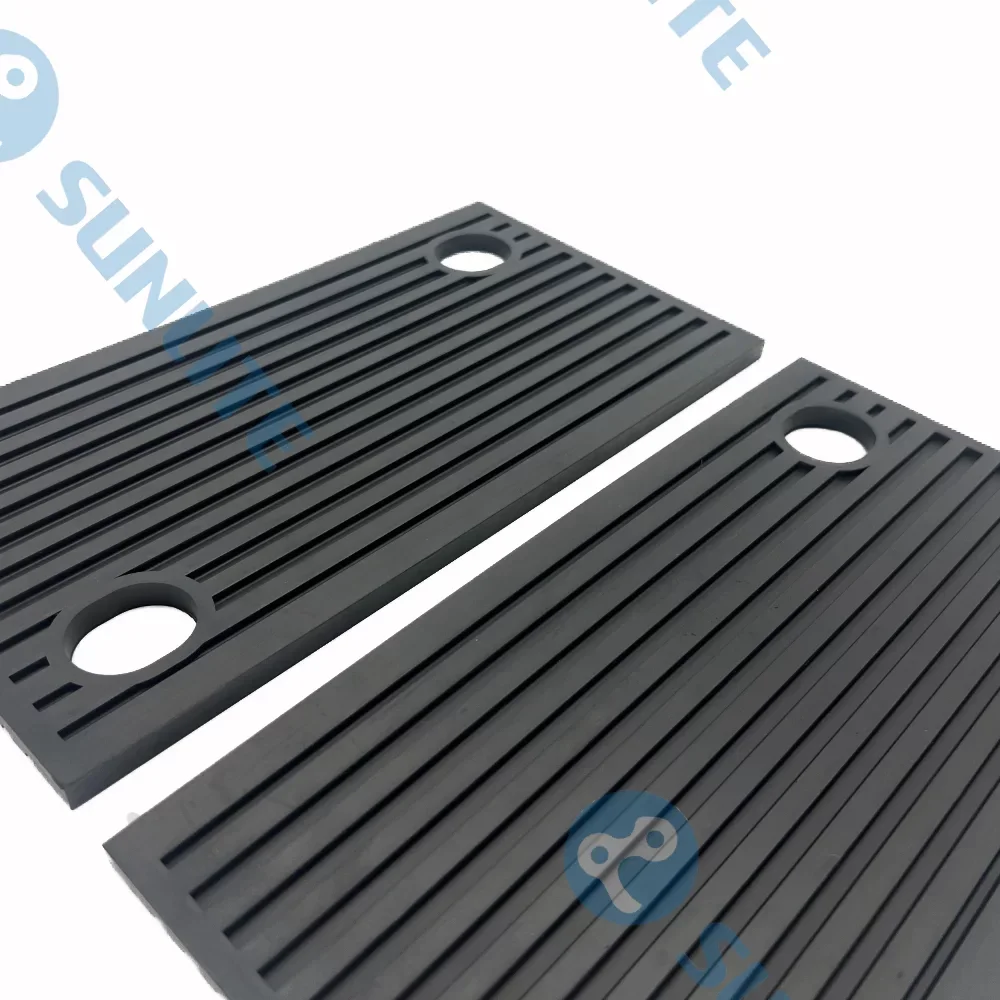
The relentless exposure to atmospheric elements represents the primary chСитеenge for modern civil engineering and outdoor industrial design.